

BestRecipesBlog.com is a participant in the Amazon Services LLC Associates Program, an affiliate advertising program designed to provide a means for sites to earn advertising fees by advertising and linking to Amazon.com. As an Amazon Associate, I earn from qualifying purchases.
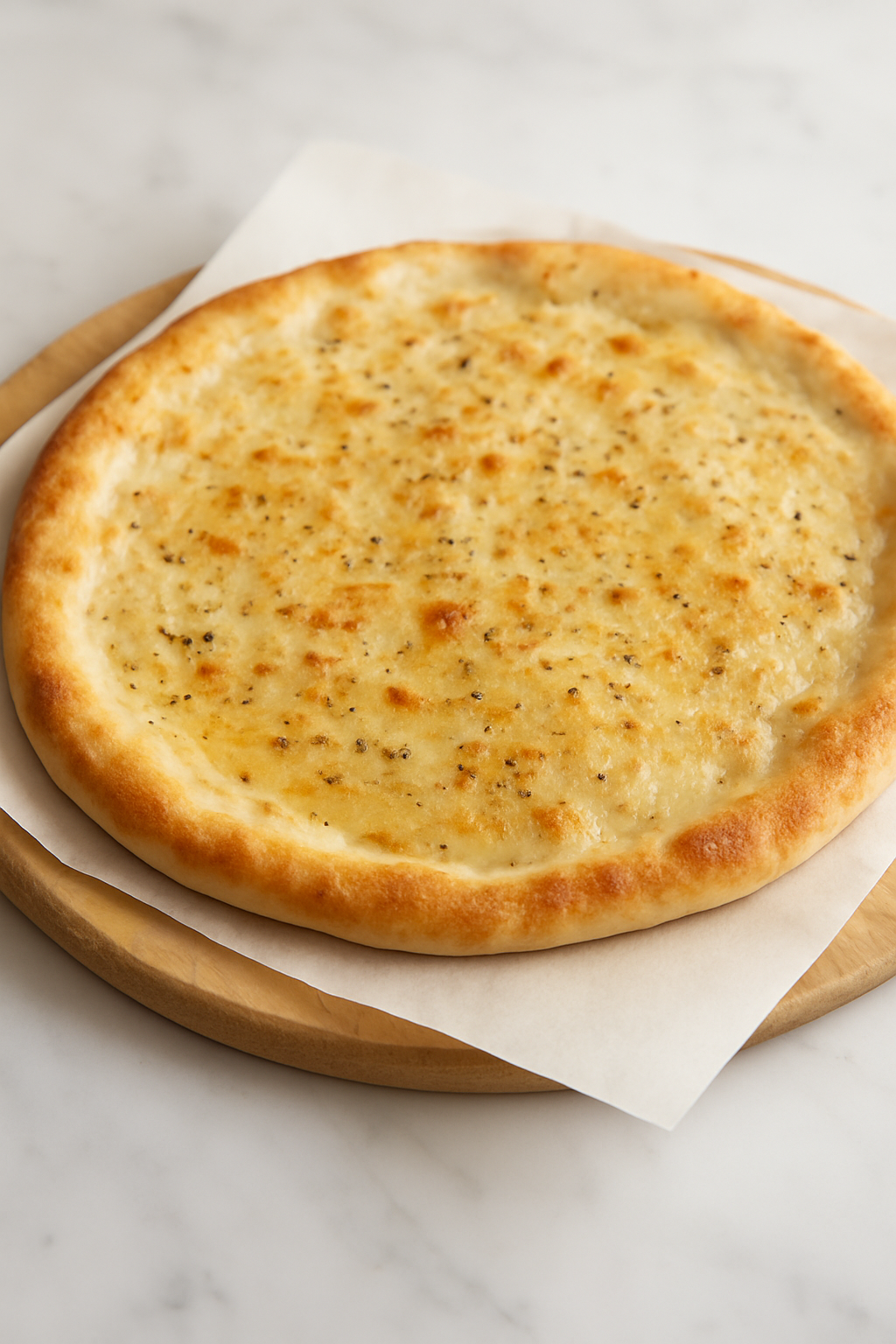
Thin-crust olive oil dough is a culinary canvas for pizza lovers who appreciate a delicate, crispy base that elevates the toppings to stardom. This dough, with its golden, crackling crust, is perfect for those who relish a lighter, more refined pizza experience without overpowering the flavors above it.
Origins and Cultural Significance
Thin-crust pizza traces its roots back to the bustling streets of Naples, the birthplace of modern pizza. In this sun-drenched region of Italy, pizza was more than a meal—it was a way of life. The thin-crust style was born out of necessity, as it allowed the dough to cook quickly in the blistering heat of wood-fired ovens, producing a crisp texture that was perfect for street vendors serving hungry passersby swiftly. Olive oil, a staple of Mediterranean cuisine, further enhances the dough’s flavor, paying homage to the region’s rich culinary traditions.
Unique Ingredients and Techniques
The secret to this dough lies in its simplicity and the quality of its ingredients. The star of the show is extra virgin olive oil, which imparts a subtle fruitiness and rich aroma that permeates every bite. This luxurious oil not only enriches the flavor but also helps achieve that sought-after crispy texture. The dough is brought to life through a leisurely fermentation process, allowing the yeast to develop complex flavors and contribute to an airy, light crust. The technique of stretching the dough by hand rather than rolling provides for a more rustic appearance and preserves the delicate air pockets that make each slice a delight.
Whether you’re a seasoned pizzaiolo or a home cook with a passion for Italian cuisine, mastering this thin-crust olive oil dough will elevate your pizza nights to new heights, bringing a touch of Italian tradition and culinary excellence to your table.

Thin-Crust Olive Oil Dough
Description
This thin-crust dough is infused with olive oil, delivering a crispy, flavorful base for pizzas or flatbreads. Simple yet versatile, it's a must-try for any home chef.
Ingredients
Thin-Crust Olive Oil Dough Ingredients
Instructions
Preparing the Dough
-
Mixing the Dry Ingredients
In a large mixing bowl, combine 2 cups of all-purpose flour with 1 teaspoon of salt. Stir them together until the salt is evenly distributed.Ensure the flour is fresh for the best flavor and texture in your dough. -
Activating the Yeast
In a small bowl, dissolve 1 packet of active dry yeast (about 2 1/4 teaspoons) in 3/4 cup of warm water. Let it sit for about 5 minutes until it becomes frothy.The water should be warm to the touch but not hot, around 110°F, to properly activate the yeast. -
Combining Wet and Dry Ingredients
Create a well in the center of the flour mixture and pour in the activated yeast mixture along with 2 tablespoons of olive oil. Stir until a shaggy dough forms.A wooden spoon works best for this step to incorporate all the ingredients evenly.
Kneading the Dough
-
Kneading
Transfer the dough onto a lightly floured surface. Knead it for about 8-10 minutes until it becomes smooth and elastic.If the dough is sticky, sprinkle a little more flour as needed, but be careful not to add too much.
Letting the Dough Rise
-
First Rise
Place the kneaded dough in a lightly oiled bowl, cover it with a damp cloth, and let it rise in a warm place for about 1 hour, or until it doubles in size.A draft-free, warm environment is best for the dough to rise properly. An oven with the light on works well.
Shaping the Dough
-
Rolling Out
Once the dough has risen, punch it down gently to release air. Roll it out on a floured surface to your desired thinness, around 1/8 inch for a thin crust.Using a rolling pin will help achieve an even thickness, but you can also stretch it by hand for a rustic look.
Note
For a crispier crust, bake on a preheated pizza stone. To enhance flavor, let the dough rest in the refrigerator for 24 hours after initial rise. If dough feels sticky, dust with additional flour while kneading. Olive oil adds richness and subtle flavor—use high-quality, extra-virgin for best results. Dough can be frozen; thaw in refrigerator overnight before use. To prevent dough from sticking, lightly oil your hands and work surface when shaping. If you desire a more rustic texture, incorporate whole wheat flour up to 25% of total flour weight. Adjust hydration if necessary, as whole wheat absorbs more water.