

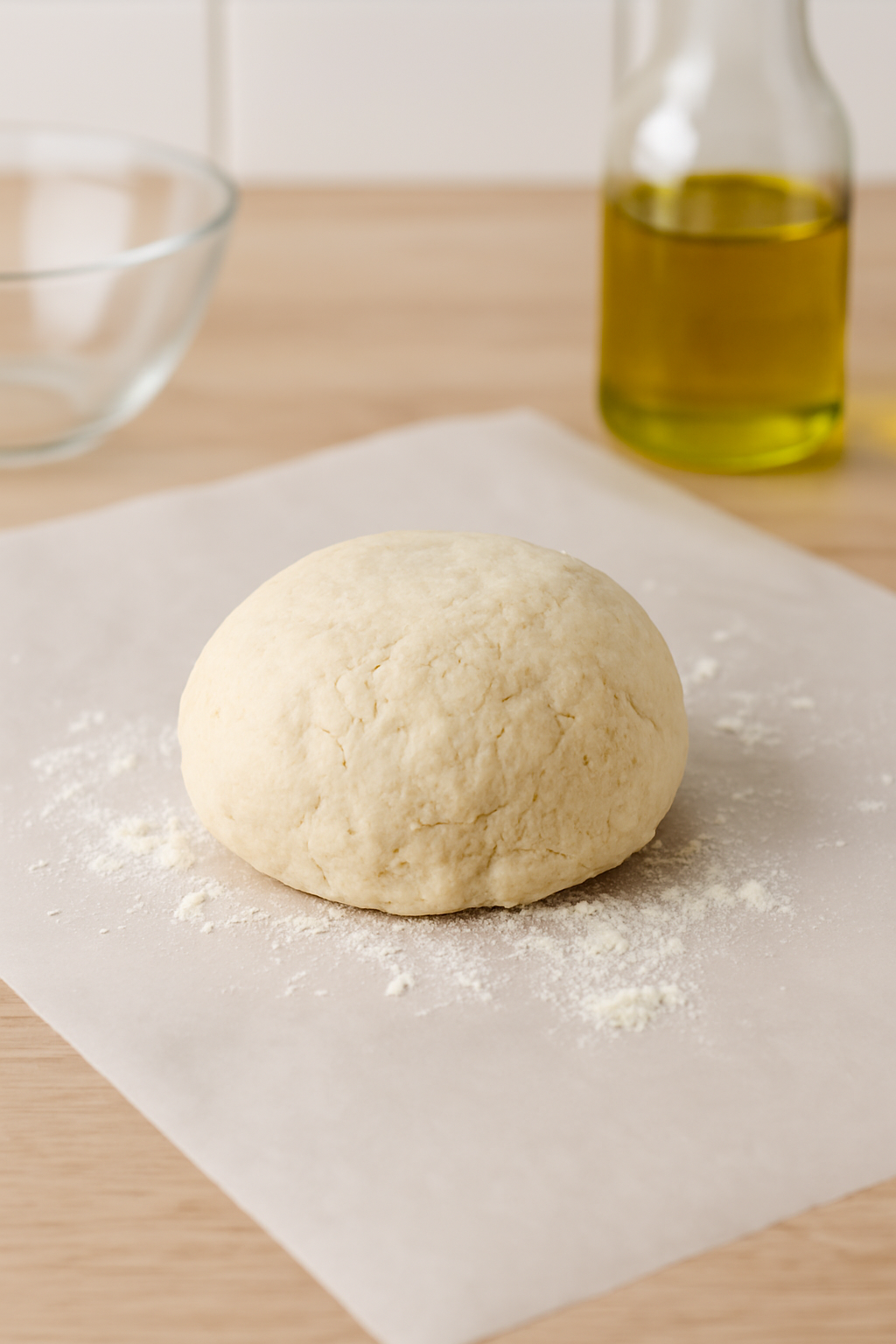
Imagine biting into a slice of pizza with a perfectly crisp crust, yet soft and chewy in all the right places. Now, imagine that same pizza is gluten-free, but you’d never guess it from the taste. That’s the magic of this Simple Gluten-Free Pizza Dough recipe—a culinary adventure that redefines pizza night for everyone, especially those who avoid gluten.
Origin of Gluten-Free Pizza
The concept of gluten-free pizza may not be as modern as you think. While the gluten-free movement gained momentum in the late 20th century, variations of gluten-free flatbreads have been a staple in many cultures for centuries. Whether it was the cornmeal-based arepas of South America or the chickpea flour socca hailing from the Mediterranean, these naturally gluten-free breads laid the groundwork for what we now cherish as gluten-free pizza crusts as the world became more aware of gluten intolerance and celiac disease, the demand for gluten-free alternatives soared, driving culinary innovation.
Unique Ingredients and Flavors
Crafting a gluten-free pizza dough is an art form, akin to painting with a new palette of colors. Traditional wheat flour is replaced with a harmonious blend of gluten-free flours—rice, tapioca, and a hint of potato starch — to lend that elusive elasticity and chew. The secret ingredient? A whisper of xanthan gum. It’s the unsung hero that binds the dough together, mimicking the structure gluten typically provides. The result is a dough that rises with grace, boasting a texture so inviting that it transcends the boundaries of dietary restrictions.
Technique and Tips
Kneading this dough is a serene experience, one that doesn’t demand the same muscles as its gluten-laden counterpart. Instead, the process is gentler, more akin to coaxing pliable clay into shape. It’s essential to let the dough rest—a leisurely pause that allows the flours to hydrate fully, transforming into a supple, workable dough. Don’t skip out on pre-baking the crust before adding toppings; this step ensures it remains crisp and sturdy under the weight of your favorite cheeses and toppings. And remember, a hot oven is your best ally, so crank it up to achieve that quintessential pizza parlor crispness.
This recipe isn’t just about creating a meal; it’s about crafting an experience. It’s a reminder that food is inclusive and joyous, capable of bringing everyone together around the table, regardless of dietary needs.

Simple Gluten-Free Pizza Dough
Description
This gluten-free pizza dough is easy to prepare, yielding a crispy yet chewy crust that complements any toppings, ensuring everyone can enjoy pizza night.
Ingredients
Dry Ingredients
Wet Ingredients
Yeast
Instructions
Mixing the Dry Ingredients
-
Prepare Your Dry Base
In a large mixing bowl, combine 2 cups of gluten-free all-purpose flour, 1 teaspoon of xanthan gum, and 1 teaspoon of salt. Stir these dry ingredients together until they are well mixed.Using a whisk to mix these ingredients ensures that the xanthan gum is evenly distributed, which helps the dough hold together better.
Activating the Yeast
-
Proof the Yeast
In a separate small bowl, combine 1 tablespoon of active dry yeast with 1 tablespoon of sugar and 3/4 cup of warm water. Let it sit for 5-10 minutes until the mixture becomes frothy.Ensure the water is warm, not hot, to effectively activate the yeast without killing it. This step is crucial for a light and airy dough.
Bringing the Dough Together
-
Combine Wet and Dry Ingredients
Pour the yeast mixture into the dry ingredients. Add 2 tablespoons of olive oil. Mix until the dough starts to come together.Use a wooden spoon or spatula to mix. The dough will be sticky at this point, and that's perfectly okay.
Kneading and Resting the Dough
-
Knead Lightly
Transfer the dough onto a lightly floured surface. Knead gently for about 5 minutes until smooth, adding more flour as necessary to handle.Don't over-knead; gluten-free dough needs a gentle touch. The dough should be soft and slightly tacky. -
Let the Dough Rise
Place the dough back into the bowl and cover with a damp cloth. Let it rise in a warm place for 30-45 minutes until slightly puffy.This rise helps the dough develop a better texture and flavor, even if it doesn't double in size like traditional dough.
Shaping and Pre-Baking
-
Shape Your Pizza
Preheat your oven to 425°F (220°C). Roll out the dough on parchment paper to your desired thickness, transferring it to a baking sheet.For a crispier crust, roll the dough thinner. If you prefer a thicker, chewier crust, leave it a bit thicker. -
Pre-Bake the Crust
Bake the crust for 10 minutes before adding toppings. This creates a sturdy base for your toppings.Keep an eye on it to prevent over-baking; it should just start to firm up but not brown.
Note
Use a blend of almond flour and tapioca flour for a well-balanced texture. If you prefer a softer crust, increase the almond flour slightly. Opt for psyllium husk or xanthan gum as a binder to enhance elasticity, ensuring your dough isn’t too crumbly. Remember, gluten-free doughs can be stickier, so dust your hands and surfaces with tapioca flour to prevent sticking. For added flavor, incorporate dried herbs like oregano or basil directly into the dough. If you enjoy a hint of sweetness, a pinch of sugar can enhance the yeast's activation. Let the dough rest for about 10 minutes after mixing to allow the flours to hydrate fully. This step is crucial for achieving a pliable texture. When rolling out the dough, use parchment paper to avoid sticking and ensure even thickness. A pre-bake in a hot oven (around 450°F or 230°C) for 5-7 minutes sets the crust before adding toppings. For a pro-tip, brush the edges with a bit of olive oil before the final bake to achieve a golden, crispy finish.