
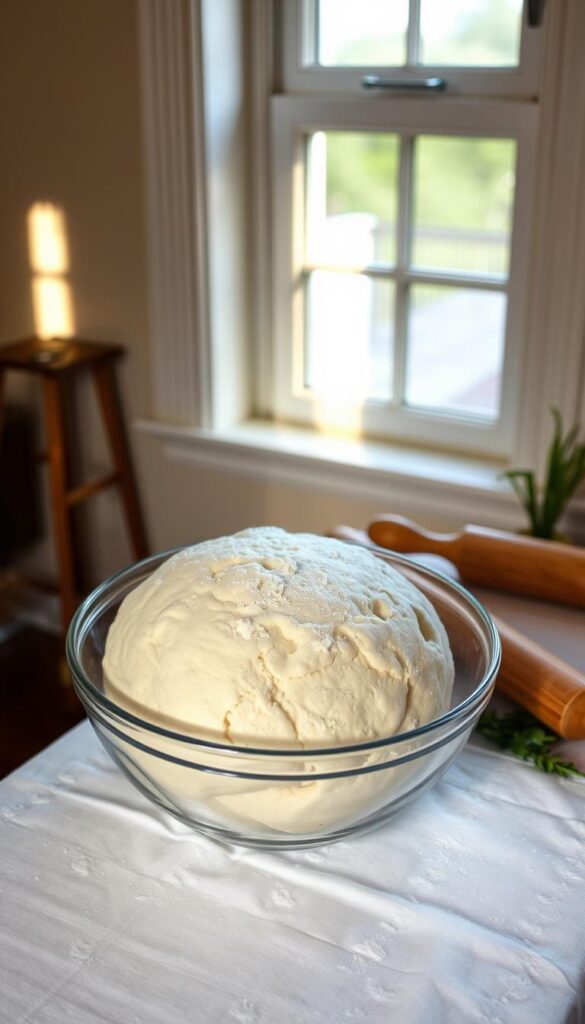
Imagine waking up to the prospect of homemade pizza that requires minimal effort yet delivers maximum satisfaction. This no-knead overnight pizza dough is a revelation, effortlessly transforming your kitchen into a pizzeria. With just a handful of ingredients and a little patience, you'll have a dough that's ready to rise to the occasion, quite literally, as it rests and develops flavor overnight.
The concept of no-knead dough is not new, but it has gained popularity thanks to its simplicity and the magical transformation that occurs while it rests overnight. Traditionally, pizza dough required diligent kneading to develop gluten, which is essential for achieving that perfect chewy texture. However, this method, inspired by age-old bread-making techniques, allows time and moisture to do the work for you. The dough's roots can be traced back to the rustic kitchens of Italy, where resourcefulness and a slower pace of life inspired culinary innovations that we still cherish today.
What makes this recipe truly special is its simplicity paired with an incredible depth of flavor. By allowing the dough to ferment slowly overnight, the flavors intensify, creating a subtle tanginess that elevates your pizza to new heights. The no-knead method means less work for you, yet the result is a light and airy crust with a delightful crispness. The beauty of this approach lies in its adaptability. Whether you’re topping your pizza with classic Margherita ingredients or experimenting with gourmet combinations, the dough serves as a perfect canvas, ready to bring your culinary visions to life.
In essence, this no-knead overnight pizza dough is more than just a recipe; it's a gateway to savoring the joys of homemade pizza with ease and flair.
A simple yet transformative pizza dough recipe that requires no kneading. Let time work its magic overnight for a flavorful and chewy crust.
For a crispy crust, use a high-protein bread flour. The dough's hydration level is high, so it will be sticky, but this moisture is crucial for texture. Allow it to ferment overnight at room temperature; this slow rise develops flavor and gluten structure without kneading. If your kitchen is particularly warm, refrigerate the dough after 4 hours to prevent overproofing. Before shaping, let the dough come to room temperature if refrigerated. When ready to bake, preheat your oven with a pizza stone or steel to achieve that pizzeria-quality crust. Dust your workspace with semolina or cornmeal to prevent sticking when shaping. For a thinner crust, stretch the dough gently—avoid using a rolling pin, which can knock out precious air bubbles.