


BestRecipesBlog.com is a participant in the Amazon Services LLC Associates Program, an affiliate advertising program designed to provide a means for sites to earn advertising fees by advertising and linking to Amazon.com. As an Amazon Associate, I earn from qualifying purchases.
Imagine the delightful contrast of hot and cold, crunchy and creamy, all in one spoonful. That’s the magic of fried ice cream, a dessert that defies expectations. This exquisite treat has a whimsical nature that captivates the senses, offering a surprising explosion of textures and temperatures.
Origins and History
Fried ice cream is often associated with Mexican cuisine, though its true origins remain a delightful mystery, much like a hidden treasure waiting to be discovered. Some trace its roots to Asian street food, where innovative cooks first attempted this culinary paradox. Others link it to American fairs and Tex-Mex restaurants, where it became a sensational hit. Regardless of its beginnings, fried ice cream has traveled across cultures and continents, each adding its own flair and flavor to the mix, much like a global passport for your taste buds.
Unique Ingredients and Techniques
The alchemy of fried ice cream lies in its unique ingredients and the delicate dance of cooking techniques. Imagine starting with a scoop of your favorite ice cream, frozen to the core like a tiny Arctic tundra. Then, it’s cloaked in a protective layer of crushed cornflakes or cookie crumbs, like a knight donning armor before battle. The secret is in the quick fry—just a few seconds in hot oil to crisp the exterior while keeping the interior gloriously chilly. Some chefs add a whisper of cinnamon, a dash of nutmeg, or even a drizzle of honey for an extra layer of intrigue. It’s a playful process, requiring precision and creativity, much like a culinary performance.
So, whether it’s a celebration of cultures or an indulgent dessert adventure, fried ice cream is an experience worth savoring.
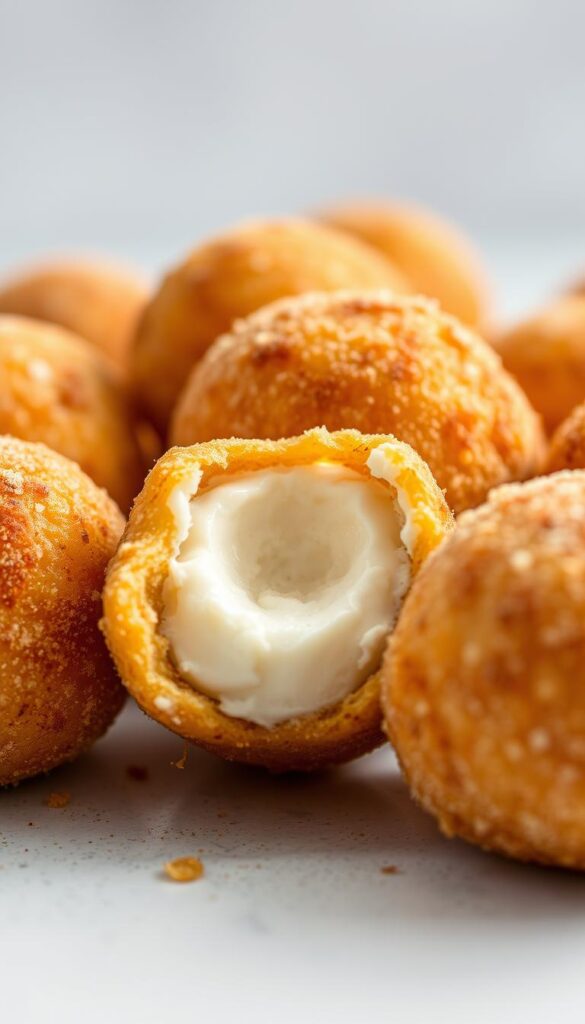
Crispy Indulgence: Fried Ice Cream
Description
Experience the magic of ice cream in a crispy crust, blending hot and cold sensations for a unique, unforgettable dessert treat.
Ingredients
Ice Cream Balls Preparation
Coating
Egg Mixture
Frying
Garnish
Instructions
Prepare the Ice Cream Balls
-
Scoop and Shape
Scoop your favorite ice cream into large balls using an ice cream scoop. Roll them quickly between your palms to shape them evenly.Work quickly to prevent melting. Place each ball on a lined baking sheet as you go. -
Freeze Firm
Place the ice cream balls in the freezer for at least 2 hours or until they are completely solid.This step is crucial to ensure the ice cream doesn't melt during frying.
Coat the Ice Cream
-
Prepare the Coating
Crush cornflakes or cookies into fine crumbs and combine with a touch of cinnamon in a shallow bowl.The cinnamon adds a subtle warmth to the flavor profile. -
Dip in Egg Wash
Beat eggs in a separate bowl. Dip each frozen ice cream ball into the egg mixture, ensuring it’s completely covered.The egg wash helps the coating stick to the ice cream. -
Roll in Crumbs
Roll the egg-coated ice cream balls in the crumb mixture, pressing gently to adhere the crumbs well.For an extra-thick crust, repeat the egg wash and crumb coating process.
Freeze Again
-
Set the Coating
Return the coated ice cream balls to the freezer for another hour to ensure they are firm and ready for frying.This step prevents the ice cream from melting too quickly during the frying process.
Fry the Ice Cream
-
Heat the Oil
In a deep fryer or heavy saucepan, heat oil to 375°F (190°C).Use a kitchen thermometer to maintain the correct temperature. -
Quick Fry
Carefully lower one or two ice cream balls into the hot oil and fry for about 20-30 seconds until golden brown.Don't overcrowd the pan. Fry in batches if necessary. -
Drain Excess Oil
Remove the fried ice cream with a slotted spoon and place it on paper towels to drain excess oil.Serve immediately for the best texture and flavor.
Note
For optimal results, choose a high-quality ice cream with a dense texture—this helps it hold up during frying. Roll scoops of ice cream in crushed cornflakes or cookie crumbs for a crunchy exterior. Freeze the coated scoops for at least 3 hours; this step is crucial to prevent the ice cream from melting when fried. When frying, ensure the oil is hot enough (around 375°F) to quickly crisp the coating without affecting the interior. Use a slotted spoon to carefully lower the scoops into the oil and remove them swiftly, frying just until golden brown. Serve immediately for the best contrast between the hot, crispy shell and the cold, creamy center. For variations, consider adding cinnamon or nutmeg to the coating for extra flavor, or drizzle with chocolate sauce or honey for a sweet finish. If you're feeling adventurous, try using crushed pretzels or nuts for a different texture.