

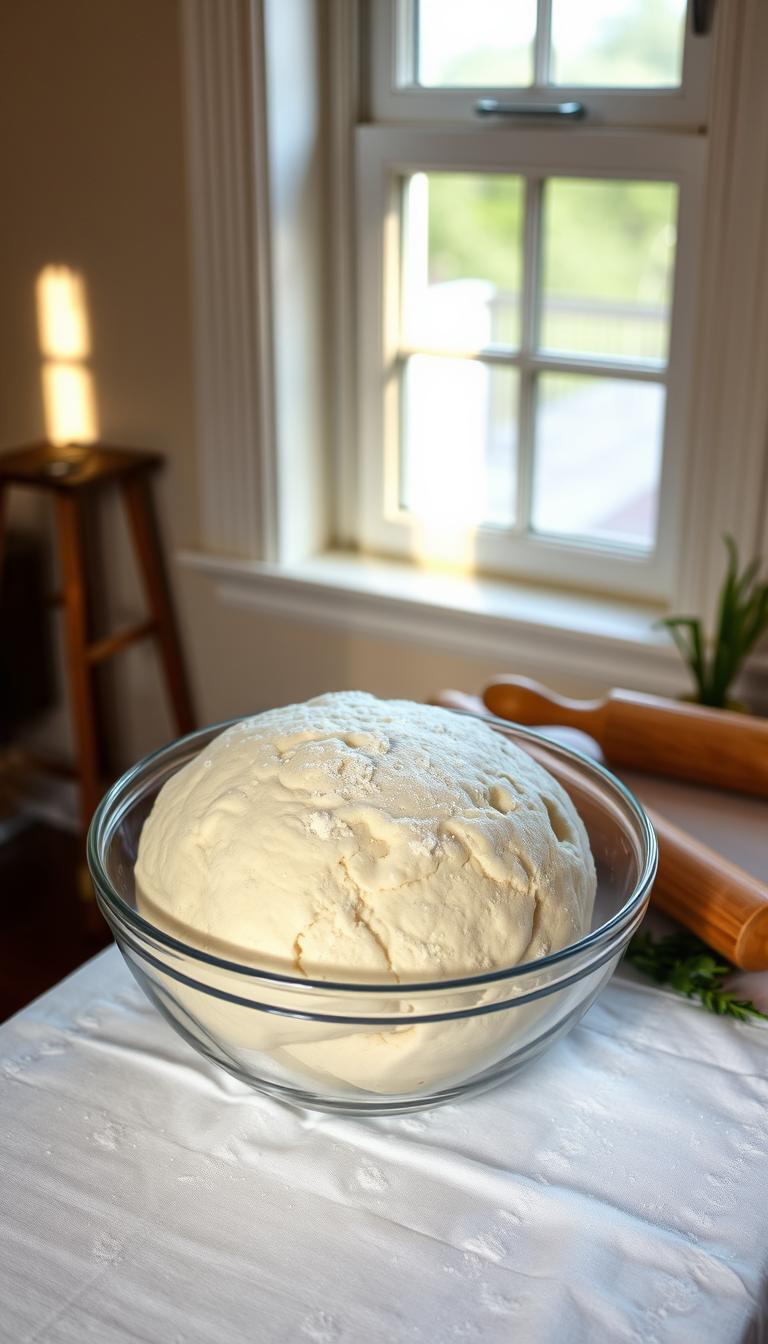
Imagine waking up to the prospect of homemade pizza that requires minimal effort yet delivers maximum satisfaction. This no-knead overnight pizza dough is a revelation, effortlessly transforming your kitchen into a pizzeria. With just a handful of ingredients and a little patience, you’ll have a dough that’s ready to rise to the occasion, quite literally, as it rests and develops flavor overnight.
Origin and History
The concept of no-knead dough is not new, but it has gained popularity thanks to its simplicity and the magical transformation that occurs while it rests overnight. Traditionally, pizza dough required diligent kneading to develop gluten, which is essential for achieving that perfect chewy texture. However, this method, inspired by age-old bread-making techniques, allows time and moisture to do the work for you. The dough’s roots can be traced back to the rustic kitchens of Italy, where resourcefulness and a slower pace of life inspired culinary innovations that we still cherish today.
Unique Characteristics and Flavor
What makes this recipe truly special is its simplicity paired with an incredible depth of flavor. By allowing the dough to ferment slowly overnight, the flavors intensify, creating a subtle tanginess that elevates your pizza to new heights. The no-knead method means less work for you, yet the result is a light and airy crust with a delightful crispness. The beauty of this approach lies in its adaptability. Whether you’re topping your pizza with classic Margherita ingredients or experimenting with gourmet combinations, the dough serves as a perfect canvas, ready to bring your culinary visions to life.
In essence, this no-knead overnight pizza dough is more than just a recipe; it’s a gateway to savoring the joys of homemade pizza with ease and flair.
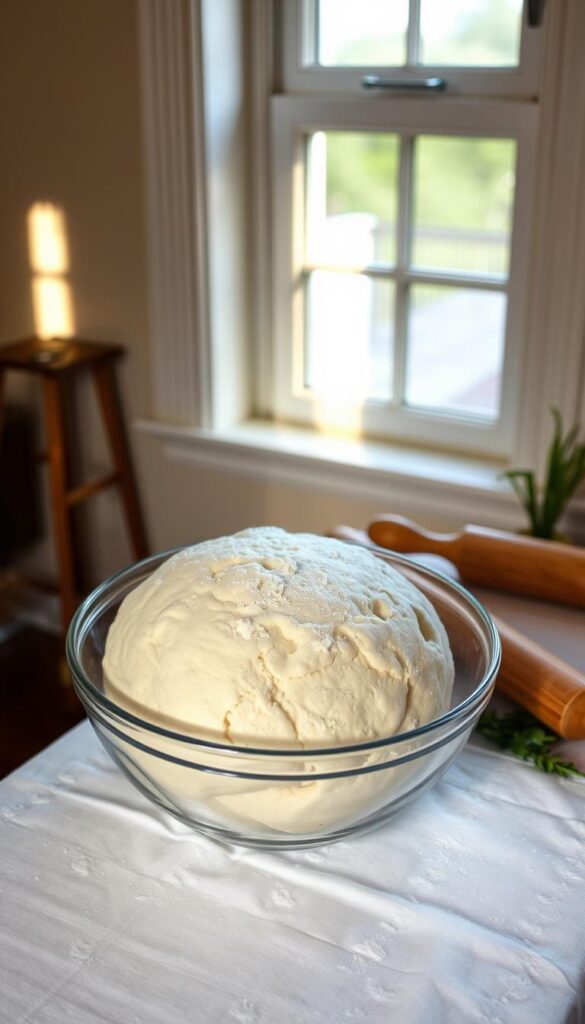
No-Knead Overnight Pizza Dough
Description
A simple yet transformative pizza dough recipe that requires no kneading. Let time work its magic overnight for a flavorful and chewy crust.
Ingredients
Basic Ingredients for No-Knead Overnight Pizza Dough
Instructions
Mixing the Dough
-
Combine Ingredients
In a large mixing bowl, combine 3 1/2 cups of all-purpose flour, 1/4 teaspoon of active dry yeast, and 1 1/2 teaspoons of salt. Gradually add 1 1/2 cups of water while stirring with a wooden spoon or your hands until a shaggy dough forms.Make sure all the flour is hydrated, but don't worry about kneading the dough—its texture will be rough and uneven.
First Rise
-
Let it Rest
Cover the bowl tightly with plastic wrap or a damp kitchen towel. Leave it to rest at room temperature for 12 to 18 hours until the dough has doubled in size and is bubbly on the surface.Choose a spot free from drafts for an even rise. Overnight is perfect to ensure the dough develops flavor and texture.
Preparing for Baking
-
Shape the Dough
Lightly flour a work surface and your hands. Gently turn the dough onto the surface, being careful not to deflate it too much. Divide into two equal portions and shape each into a ball.Handle the dough gently to preserve its airy structure. Use a dough scraper if it's too sticky to manage. -
Second Rise
Place each dough ball onto a piece of parchment paper, cover with a damp towel, and let them rest for about 30 minutes to 1 hour.This rest allows the gluten to relax, making it easier to stretch the dough into shape for pizza.
Baking the Pizza
-
Preheat the Oven
Place a pizza stone or an inverted baking sheet in the oven and preheat to 500°F (260°C) for at least 30 minutes.A hot surface is crucial for a crisp crust. Preheating ensures it's evenly heated. -
Shape and Top the Dough
Gently stretch each dough ball into a 10-12 inch round, keeping the edges slightly thicker. Add your desired toppings.Avoid overloading with toppings to ensure the dough bakes evenly. Less is more for a perfect balance of flavors. -
Bake the Pizza
Transfer the parchment with the pizza onto the hot stone or baking sheet. Bake for 10-15 minutes until the crust is golden and the cheese is bubbly.Check the underside of the crust towards the end of baking—it should be crisp and slightly charred for the best texture.
Note
For a crispy crust, use a high-protein bread flour. The dough's hydration level is high, so it will be sticky, but this moisture is crucial for texture. Allow it to ferment overnight at room temperature; this slow rise develops flavor and gluten structure without kneading. If your kitchen is particularly warm, refrigerate the dough after 4 hours to prevent overproofing. Before shaping, let the dough come to room temperature if refrigerated. When ready to bake, preheat your oven with a pizza stone or steel to achieve that pizzeria-quality crust. Dust your workspace with semolina or cornmeal to prevent sticking when shaping. For a thinner crust, stretch the dough gently—avoid using a rolling pin, which can knock out precious air bubbles.